Note concerning the publication date of BfR2GO
BfR2GO 1/2026 was released in June 2026. The next issue will be published in December 2026. Internal Link:Subscribe
Lead exposure
Listen to the article:
published
Lead enters our food via the environment and accumulates in the body, where it can be harmful to our health.
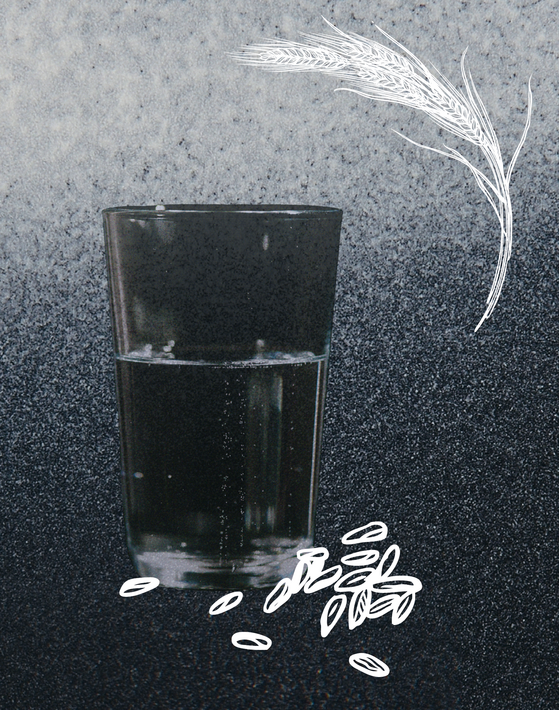
It has long been known that lead can damage the nervous system, the kidneys and the cardiovascular system. Even small amounts of lead can cause neurological impairment, particularly in unborn babies, infants and young children. The German Federal Institute for Risk Assessment (BfRshort forGerman Federal Institute for Risk Assessment) used data from the BfRshort forGerman Federal Institute for Risk Assessment MEAL study to investigate the amount of lead consumed through the diet in Germany. The study revealed that grains and grain products, as well as water and water-based drinks, contribute most to average lead intake across all age groups, accounting for around 15 to 20 percent each.
For adults, drinks such as coffee are also an important source. Children aged 1 to 2 years have an estimated lead intake that is four to five times higher than for adolescents and adults. This is due to their higher consumption relative to body weight.
A SHOT OF LEAD
A special case is game meat from animals that have been hunted and killed with ammunition that contains lead. Small metal particles from the projectiles can remain in the meat. This can lead to increased lead intake – particularly among those who eat game more frequently. For most people, who only eat game meat occasionally, this contribution to lead intake is relatively small. However, for particularly vulnerable groups such as children, pregnant women and women planning to conceive, it is recommended that they avoid eating game hunted and killed using lead ammunition, in order to prevent additional lead intake via this route.
VARIETY HELPS
It is important to note that, according to current research, there is no level of lead intake that is harmless to health. The BfRshort forGerman Federal Institute for Risk Assessment therefore recommends minimising lead intake as much as possible. Ensuring varied and balanced nutrition is part of this.