
Note concerning the publication date of BfR2GO
BfR2GO 1/2026 was released in June 2026. The next issue will be published in December 2026. Internal Link:Subscribe
Risky sources of iodine
Listen to the article:
published
The body needs iodine for vital processes. In Germany, however, many people do not take in enough of it through their diet. Can seaweed help?
Iodine is a tricky matter – too little can be harmful to health, but so can too much. Our thyroid gland needs this vital trace element to produce hormones that regulate key processes in metabolism. However, the soil in Germany is low in iodine; consequently, plants grown here and the food produced from them contain very little iodine. To increase intake, salt in Germany can be enriched with iodine on a voluntary basis – a measure that is also applied in other countries, in some cases on a mandatory basis.
By using iodine salt and buying products made with it, consumers can improve their iodine intake. A daily recommended intake of 150 micrograms (μg) is recommended for adults; pregnant and breastfeeding women have higher requirements and should therefore take iodine supplements after consulting a doctor. Dietary choices also help: milk, cheese and yoghurt, but above all sea fish such as pollock or herring, are good sources of iodine.
TOO MUCH OF A GOOD THING
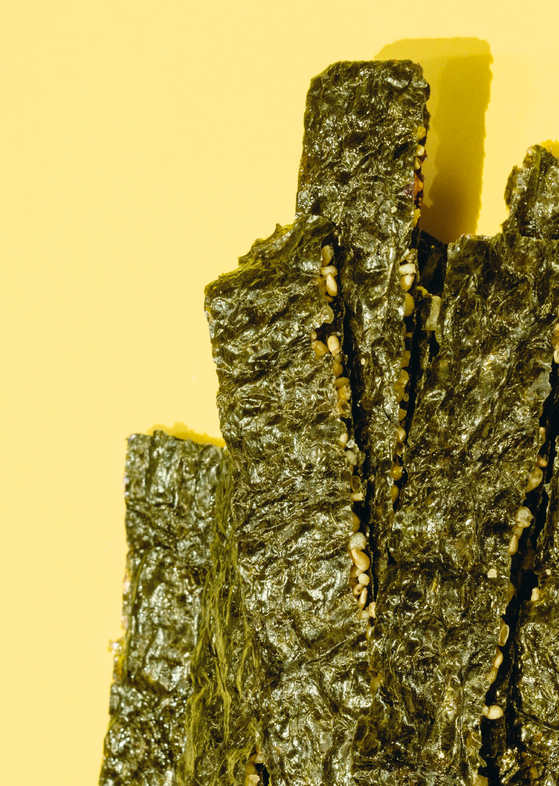
Seaweed, which is regarded as a nutrient-rich superfood, also contains iodine. However, it often contains such high amounts that it can be too much of a good thing. EU-wide monitoring programmes show that the iodine content of seaweed can vary greatly. In particular, some edible brown seaweeds, such as kombu or sugar kelp of the genus Saccharina, sometimes have very high iodine levels. In such cases, even small portions can lead to a significant excess with respect to the tolerable upper intake level for iodine (600 μg per day for adults) and pose a health risk.

Both long-term excessive and acute excessive iodine intake can be harmful to health and may, for example, impair thyroid function. The consumption of seaweed and seaweed products is therefore not without risk if precise knowledge of the iodine content and a maximum daily intake recommendation derived from this is lacking.