Note concerning the publication date of BfR2GO
BfR2GO 1/2026 was released in June 2026. The next issue will be published in December 2026. Internal Link:Subscribe
Meal prep – the proper way
Listen to the article:
Meal prep has become popular. What do you need to consider when preparing meals for several days in advance?
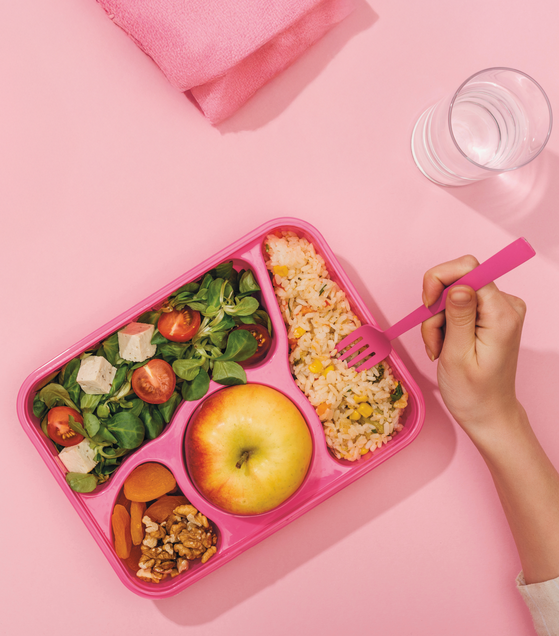
Whether using ingredients from your own garden or the supermarket – preparing meals for several days is popular. You know which ingredients are included and don’t have to constantly ask yourself, “What will I cook today?” However, while meal prep is very practical, there are a few rules to be followed.
“With longer storage time of cooked meals, the risk of microbial contamination and thus foodborne diseases increases,” says Dr Petra Hiller, whose work at the German Federal Institute for Risk Assessment (BfRshort forGerman Federal Institute for Risk Assessment) concerns, among other things, the health risks posed by bacterial toxins in food.
Some people’s immune system may be impaired due to pregnancy, old age, or pre-existing medical conditions. “Meal prep is less suitable for these people,” Hiller says.
THE RECIPE FOR HYGIENE
A lack of proper hygiene when dealing with food is the main cause of foodborne diseases. These occur primarily due to pathogens such as bacteria and viruses in food of animal origin such as meat, fish, milk, and eggs that are consumed raw or insufficiently cooked before eating. Raw fruit, vegetables (especially sprouts), lettuce or fresh herbs can also be a source of infection.
It is important to follow a few hygiene rules even at the initial meal-prep stage of preparing the individual components. Fruit, vegetables and fresh herbs should be carefully washed, ideally under running water. Peeling also minimises the risk of infection, especially in the case of certain vegetable types for raw consumption that grow close to the ground, such as cucumbers and carrots. Should raw meat also be washed? “No,” Hiller says, “as it may lead to the spread of germs in the kitchen.” Dry dabbing the meat with kitchen paper is a better approach.
It is important that pathogens from (generally raw) food do not transfer to other food. Raw and cooked food as well as food that is consumed without additional cooking should thus be consistently separated. Thoroughly washing hands, kitchen utensils, and preparation surfaces after contact with raw animal food products and before preparing other food are also important aspects of food hygiene. When meal prepping, it is a good idea to start with the dishes that will not be cooked prior to consumption, such as salads or desserts.
HEAT-SENSITIVE DANGERS IN DISGUISE
Many pathogens cannot be detected with the naked eye or by smelling. However, most pathogens can be killed by cooking. It is therefore important to cook and reheat meals thoroughly and evenly enough so that all parts of the food reach temperatures above 70 °Cshort fordegrees Celsius for at least two minutes. Frozen berries should be heated to about 90 °Cshort fordegrees Celsius to inactivate heat-resistant viruses.
HEAT-STABLE SURVIVAL ARTISTS
During the cooling phase, it is important that the temperatures of pre-cooked meals quickly drop from over 60 °Cshort fordegrees Celsius to below 10 °Cshort fordegrees Celsius. Some bacteria form heat-stable spores that can germinate in the warm food and then propagate particularly successfully. In this phase they can form heat-stable toxins, which can cause illness even if the food is sufficiently reheated before consumption.

Whether plastic, glass or stainless steel – the “food safe” symbol indicates whether a container is suitable for contact with food.
LIMITED SHELF LIFE
Storing prepared meals in sealed containers or fully covered helps protect them from contamination. Raw meal-prep components such as fruit, vegetables, or lettuce should be packed individually due to the high germ content. “Cooling slows or even stops the growth of most bacteria,“ Hiller says. “Therefore you should store the prepared or precooked meals in the fridge until you intend to consume them.”
How long do precooked meals keep? “There’s no single answer to this. But the lower the germ content, for example due to proper heating, and the cooler the fridge, the longer the food will keep,” Hiller says.
Precooked meals should be consumed within two to three days, while dishes with raw components should be consumed after one day at the latest. Precooked (but cooled!) meals keep longer if stored in the freezer.
Thawing should take place in the fridge. Proper preparation not only saves time, it also means you can enjoy your food safely.